How to Prepare for Your First Photography Session (So You Actually Enjoy It)
I spent ten years in front of cameras before I ever stood behind one. Catalog shoots, athlete profiles, brand campaigns — I was the one being directed, being told where to stand, trying to figure out what to do with my hands while someone I just met pointed a lens at my face.
Some sessions were great. I left feeling like the photographer saw something real and caught it. Others were painful — stiff direction, awkward silence, an hour of performing and walking away hoping something in the batch looked natural.
That gap is why I do what I do now. And it’s why most advice about how to prepare for a photography session misses the point. The internet will tell you what to wear and when to book your haircut. That stuff matters. But the things that actually determine whether you love your photos happen before and during the session, not in your closet.
Here’s what I wish someone had told me before my first shoot — and what I tell every client before theirs.
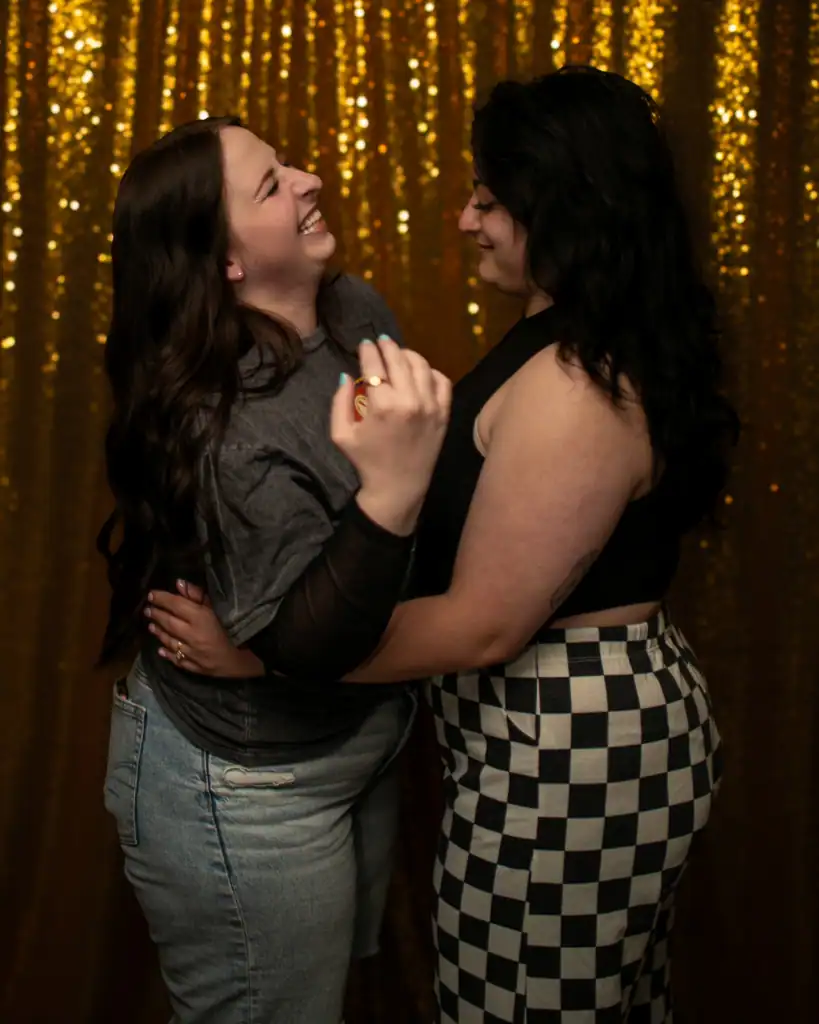
Before the Session — The Practical Stuff That Actually Matters
Let’s get the logistics out of the way. This is the checklist, and I’ll keep it tight because the next section is where the real value lives.
Wear what makes you feel like yourself. Not what a Pinterest board told you to wear. The outfit that makes you stand up a little straighter when you put it on — that’s the one. Solid colors and layers give us options. Avoid logos and busy patterns that pull focus. Bring a second outfit if you want variety. The real rule: if you wouldn’t wear it to dinner with someone you wanted to impress, leave it on the hanger.
Handle grooming early. Haircuts and color, one to two weeks before the session. Not the day before — you want it settled, not fresh. Same goes for nails, facials, whatever makes you feel put together. Give everything a few days to land.
Trust your photographer on timing. There’s a reason I book sessions in the last hour or two before sunset. That golden hour light does more for your skin, your eyes, and the overall warmth of the image than any edit I could make afterward. When I say we’re starting at 6:45, that’s not arbitrary — that’s when the light turns on.
Let the photographer pick the location. Unless you have a spot that means something to you — where you got engaged, your family’s land, a corner of Tulsa you love — let your photographer choose. We know where the light works at every hour and every season. I’ve shot every park, parking garage, and Art Deco building in this city, and I know which ones deliver at 7 PM in October versus 8 PM in June.
What to bring: Water, a phone charger, and a playlist that puts you in the right headspace on the drive over. That’s it. You don’t need props, mood boards, or a list of poses from Instagram. That’s my job.
This checklist gets you to the session prepared. What happens next is the part most people don’t talk about — and it’s the part that actually shapes your photos.
During the Session — What Actually Happens (From Both Sides of the Lens)
Nobody tells you this: the first ten minutes of a photography session are supposed to feel awkward.
I know because I spent years being the awkward one. Standing in front of a photographer I just met, trying to look natural while feeling anything but. Wondering if I was making the right face. Wondering why I couldn’t just relax.
Then at some point — usually around the fifteen-minute mark — something shifted. I stopped thinking about the camera. The photographer said something that made me laugh, or gave me direction that had nothing to do with my face, and I was just there. Present. Not performing.
That shift is the whole session. Everything before it is warmup. Everything after it is where the real images live. As a photographer now, with a decade on the other side of the lens, my entire job is getting you to that moment as fast as possible.
The early frames are calibration, not keepers. I’m adjusting exposure, watching how you move, figuring out what kind of direction you respond to. You’re loosening up, settling into the space, getting used to the camera. Nobody’s expecting perfection from those first ten frames.
Direction is a conversation, not a command. Bad direction sounds like “tilt your head 15 degrees to the left.” Good direction sounds like “look over my shoulder like you just saw someone you know” or “walk toward me and pretend I’m not here.” I learned the difference by being on the receiving end of both for years. Mechanical direction makes you stiffen up. Story-based direction makes you forget there’s a camera at all.
You don’t need to know how to pose. That’s what you’re paying me for. What actually helps is movement — walking, adjusting your collar, looking off to the side and looking back. Movement creates natural moments between the poses, and those in-between frames are almost always the best ones in your gallery.
Say something if it’s not working. If the outfit feels wrong, tell me. If you’re stuck in your head, say so. We’ll take a walk, switch locations, change the energy. I’d rather pivot than push through a session that isn’t landing.
The best frames happen in the last twenty minutes. By then you’ve stopped thinking about the camera. You’ve stopped managing your expression. You’re just being yourself, and I’m catching it. The warmup was the price of admission. The clients who trust the process and stay loose through the first half always love the second half.
How to Prepare for a Photography Session You’ll Actually Want to Revisit
The real preparation isn’t logistical. It’s mental.
Trust the process. You hired a professional for a reason. The nerves are normal — I felt them every time I showed up for a shoot as a subject, even after years. The awkward phase is normal. The part where everything clicks is coming.
Let go of the perfect shot in your head. The best images from your session will be the ones you didn’t plan. My favorite frames from my own years in front of the camera were always the in-between moments — adjusting a collar, laughing at something stupid, looking away right before the shutter fired.
Consider film. If you want images with a warmth and weight that feel different from everything on your phone, ask about shooting on 35mm. I load my Minolta STSi Maxxums with CineStill 800T or Kodak Ultramax and we work through 36 frames with no burst mode and no safety net. The constraint changes the session — everything gets more deliberate. You feel it while we’re shooting, and you see it when the scans come back.
The best photography sessions don’t feel like photoshoots. They feel like a conversation that happens to produce images worth framing. Show up, settle in, and somewhere around the twenty-minute mark you’ll forget you were nervous. That’s where the real photos live.
Want to see what a relaxed session looks like? Browse the portfolio. Ready to book yours? Let’s connect.